
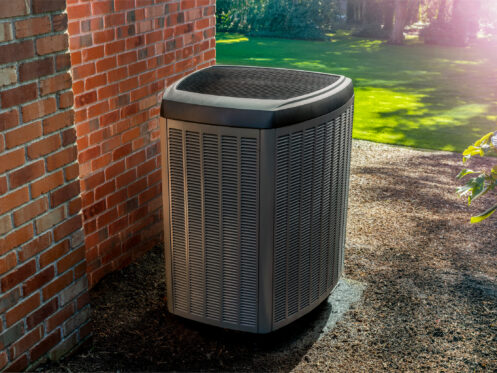
Heat pumps have a great reputation for efficient and reliable comfort, but winter can make even a well-maintained system unpredictable. You might notice lukewarm air coming from vents, a sudden spike in your energy bill, or an outdoor unit that looks iced over. The truth is that you should expect some types of winter heat pump behavior, while other symptoms point to a real issue that needs professional repair.
Problem #1: Vents Blowing Cold Air
This is the most common winter complaint, and it can mean different things depending on what you’re feeling. A heat pump often delivers air that feels cooler than furnace heat. A furnace may supply air around 120 to 140 degrees Fahrenheit, while a heat pump might deliver air that’s closer to 85 to 100 degrees Fahrenheit. The conditioned air is still warming the home, but it doesn’t feel as warm near the vent.
If the air coming from your vents feels truly cold and your home temperature drops, you may be dealing with a heating issue. Call our team so we can check refrigerant charge, verify compressor operation, and inspect the reversing valve. We will confirm that the system is producing the correct temperature rise. We will also check airflow and thermostat settings to make sure the system is running the right cycle.
Problem #2: Heat Pump Runs Constantly
In winter, long run times can be normal. Heat pumps work best when they maintain a steady indoor temperature. They don’t always operate in short bursts like a furnace. If the outdoor temperature drops sharply, the system may run longer to keep up. However, constant running can also point to a problem. Dirty coils, low refrigerant, poor airflow, or a failing compressor can reduce output. When the system can’t generate enough heat, it compensates by running longer, and your energy bills increase.
Our team of technicians can measure system performance, inspect coil condition, and verify that the unit matches your home’s heating demands. If you have an undersized heat pump, we may recommend system improvements or upgrades to better handle the winter load.
Problem #3: Ice on the Outdoor Unit
You may panic the first time you see ice on your heat pump. Some frost is normal in cold, humid weather. The outdoor coil can collect frost as it pulls heat from the air. Your heat pump should enter a defrost cycle periodically to melt that frost. During the defrost cycle, you might hear a whooshing sound or see steam rising from the unit. That’s normal. It’s a sign the system is doing its job.
Ice becomes a problem when it turns into a thick layer that doesn’t melt, or when the unit looks like a solid frozen block. This usually means the system can’t defrost correctly. Our team will inspect defrost sensors, control boards, refrigerant levels, and airflow across the coil. We’ll also check for blocked drainage, which can cause refreezing and repeated icing.
Problem #4: The System Switches to Emergency Heat
Many thermostats include auxiliary heat or emergency heat settings. Auxiliary heat may activate automatically when outdoor temperatures drop, and your heat pump can’t keep up alone. Emergency heat is usually a manual setting that bypasses the heat pump and runs electric resistance heat. If your system relies heavily on auxiliary heat, you may notice higher bills. This isn’t always a failure, but it can signal poor heat pump performance. If your system uses emergency heat frequently without extreme temperatures, something may be wrong.
We can test staging, confirm thermostat configuration, and inspect the heat pump’s ability to produce heat during normal operation. We may also check for airflow issues and duct leaks that make your system work harder than it should.
Problem #5: Strange Noises During Cold Weather
Heat pumps make different sounds than furnaces, and some noises increase in winter. Defrost cycles can create audible clicks, reversing valve sounds, or short bursts of airflow changes. That said, never ignore grinding, squealing, rattling, or loud buzzing. These sounds can indicate fan motor issues, loose components, failing bearings, or compressor problems.
A technician from our team will inspect the outdoor fan motor, check mounting points, tighten hardware, and test electrical components. Catching unusual noises early can prevent larger failures that will lead to expensive repairs.
Problem #6: Short Cycling or Frequent Starts
Short cycling means a system turns on and off too frequently instead of running steady cycles. This can cause uneven comfort, increased wear, and higher energy costs. In winter, short cycling can happen due to thermostat issues, restricted airflow, incorrect system sizing, or electrical control problems. A clogged filter can also contribute to the problem because the unit may overheat and shut down, then restart soon after.
We will check thermostat calibration, test airflow, inspect safety controls, and verify that the system is operating in the correct heating mode. Solving short cycling protects the compressor and improves comfort.
Problem #7: Weak Airflow or Cold Rooms
If certain rooms stay cold while others feel fine, you may be dealing with airflow problems. Heat pumps rely on steady air circulation. Any restriction reduces comfort quickly. Common causes include clogged filters, blocked returns, closed vents, duct leaks, or failing blower motors. In older homes, ductwork design can also contribute to uneven comfort.
We can measure static pressure, inspect duct condition, and evaluate the blower. We may recommend duct sealing, airflow balancing, or repairs that restore steady heating throughout your home.
Problem #8: Heat Pump Doesn’t Turn On
If your heat pump won’t run, treat it like a priority service issue in winter. A complete shutdown can come from electrical failures, thermostat problems, breaker trips, or safety switches. We will check the power supply, inspect capacitors and contactors, test control wiring, and verify safe startup. They may also check defrost boards and sensors, which can prevent normal operation if they fail. If the system is older and the compressor fails, replacement may become the best option.
Problem #9: Higher Energy Bills Than Expected
Winter bills rise for most households, but a sharp increase often indicates performance loss. Dirty coils, airflow restrictions, low refrigerant, and auxiliary heat overuse can all drive energy costs upward. If your heat pump struggles to heat efficiently, it runs longer and may rely more on backup heat. That combination can cause major bill spikes. We can identify efficiency losses by testing system output, checking refrigerant performance, cleaning coils, and confirming proper staging.
How Professional Winter Heat Pump Service Helps
A winter heat pump service visit goes beyond getting it running. Our technicians will inspect performance, confirm safe operation, and address the root cause of the issue. We can:
- Clean coils and improve heat transfer
- Test defrost controls and sensor function
- Confirm refrigerant charge and pressure balance
- Inspect electrical components for wear
- Verify thermostat staging and settings
- Restore airflow and fix duct-related issues
Winter Heat Pump Problems Are Common, But Fixable
Heat pumps behave differently in winter, and some symptoms are normal. Frost, defrost cycles, and longer run times often come with cold weather. Persistent cold air, heavy icing, shutdowns, and major bill spikes usually indicate a real issue. With the right professional troubleshooting, we quickly solve most heat pump problems. Bernard Heating & Cooling has been serving the Hudson, OH area since 1991. Our family-owned company will put your comfort first. Call us today to learn more about our maintenance agreement or to schedule an appointment.