As the leaves change in Northeast Ohio, homeowners start thinking about their furnaces. Fall furnace maintenance can help prevent inconvenient breakdowns and provide reliable heat for winter, but there’s another important reason to schedule a professional tune-up: safety. For homes with fuel-burning heating equipment, pre-season maintenance provides a chance to evaluate combustion safety before the system’s heaviest use.
A key part of this safety check is a combustion analysis, a procedure that goes beyond a simple visual inspection. It’s one of the most important assessments our team at Bernard Heating & Cooling performs during a fall maintenance visit. This test shows how your heating system is operating, ensuring it’s efficient and venting harmful byproducts correctly.
What Is a Combustion Analysis?
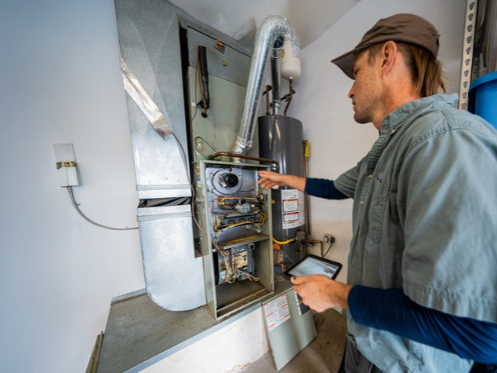
A combustion analysis measures the exhaust gases from your furnace, boiler, or other fuel-burning appliance while it is running. Our technicians use specialized equipment to take readings directly from the system’s exhaust flue. This analyzer provides real-time data on key factors that indicate your system’s health and safety.
- Carbon Monoxide (CO): Amount of dangerous gas produced
- Oxygen (O2): Indicates complete and efficient fuel burn
- Flue Temperature: Shows heat transfer efficiency and venting issues
- Combustion Efficiency: How effectively fuel converts to heat
By interpreting these readings, our NATE-certified technicians can evaluate if fuel is burning properly and, most importantly, if the system is safely venting all combustion gases outdoors.
Why Is Carbon Monoxide a Concern With Heating Systems?
Carbon monoxide (CO) is an odorless, colorless, and tasteless gas produced when you burn fuels such as natural gas, propane, or oil. In a properly functioning heating system, the venting system or flue directs combustion gases out of your home.
However, problems with the combustion process or venting system can increase the risk of CO leaking into your living space. A cracked heat exchanger, a blocked flue, or an improperly adjusted burner can all lead to dangerous conditions. Because you can’t see or smell it, carbon monoxide can build up to hazardous levels.
This is why professionals should inspect all fuel-burning appliances regularly, including furnaces, boilers, and water heaters. According to the Centers for Disease Control and Prevention (CDC), more than 400 people in the U.S. die each year from unintentional, non-fire-related carbon monoxide poisoning. A professional inspection and combustion analysis are preventive steps you can take to protect your family.
What Can Combustion Testing Reveal?
A combustion analysis provides information that isn’t available from a visual inspection and can point to issues that require further investigation.
Improper Fuel-to-Air Mixture
Efficient combustion requires the proper balance of fuel and oxygen. If this mixture is off, the fuel may not burn completely, reducing efficiency and increasing combustion byproducts. Abnormal readings can alert a technician to an improper fuel-to-air ratio that requires further investigation.
Elevated Carbon Monoxide Levels
Technicians can measure how much carbon monoxide the furnace produces while it operates. Abnormal CO readings can signal incomplete combustion or another problem that requires further investigation.
Venting or Draft Problems
Combustion gases must travel safely through the flue and out of your home. Restrictions, damage, or improper draft can interfere with this process. Abnormal combustion readings may prompt a technician to inspect the chimney or vent pipes for potential problems.
Potential Furnace Safety Concerns
Unusual combustion readings act as an early warning system. They prompt our technicians to take a closer look at critical safety-related components. For example, an abnormal reading could lead to a detailed inspection of the burners, the venting system, or the heat exchanger, which is the part of the furnace that separates combustion gases from your home’s air. Although combustion analysis doesn’t diagnose every furnace problem, it’s an indispensable tool for identifying potential safety concerns before they become emergencies.
Why Is Fall the Critical Time for a Combustion Analysis?
Timing matters in home maintenance, and fall is the ideal season for a combustion analysis. Throughout the spring and summer, your furnace has likely been sitting dormant. After months of little or no use, your furnace may have combustion, venting, or other maintenance issues you missed since the previous heating season.
Scheduling a fall maintenance visit allows a qualified technician to identify and correct these problems before you rely on the furnace for warmth. In Hudson and throughout Northeast Ohio, we know how quickly cold weather can arrive and how hard our heating systems work during the winter. A fall combustion analysis confirms your system is ready to operate safely for long periods during the coldest months.
Catching a potential combustion or venting issue in October is far better than discovering a serious problem during extremely cold weather in January. For any fuel-burning equipment, we recommend annual heating maintenance.
Is a Carbon Monoxide Detector Enough?
Working carbon monoxide alarms are an essential layer of home safety, and every home should have them. However, they serve a different purpose than a professional combustion analysis. Understanding each role matters.
A CO alarm is a warning device. It sounds an alert when it detects high carbon monoxide levels in your living space.
A combustion analysis, on the other hand, is a preventive diagnostic tool. It evaluates what the heating appliance is producing at the source and how it vents those gases. It helps a technician identify and fix a problem before it has a chance to release CO into your home.
Think of it this way: a CO detector is like a smoke alarm, while a combustion analysis is like a fire safety inspection. You need both. We strongly recommend installing and maintaining working CO alarms on every level of your home, especially outside sleeping areas.
What Happens During a Fall Maintenance Visit?
When you schedule a fall tune-up with Bernard Heating & Cooling, you can expect a comprehensive service that evaluates both the performance and safety of your heating system. Our NATE-certified technicians follow a detailed process to prepare your equipment for winter.
- A complete combustion analysis of flue gases
- Checking the home for any signs of carbon monoxide
- A thorough inspection of heating-system safety components
- Cleaning and inspecting the furnace
- Testing system components
- Checking the air filter
These checks work together to give us a complete picture of your system’s health. By performing professional heating maintenance services, our team helps ensure your furnace is ready to keep your Hudson home safe and comfortable all winter.
Schedule Fall Heating Maintenance With Bernard Heating & Cooling
A professional combustion analysis is an important part of understanding how safely and efficiently your fuel-burning heating system is operating. It provides valuable insights that a visual inspection alone can’t offer, giving you confidence in your equipment before the cold weather sets in.
As a locally owned and operated company serving Northeast Ohio since 1991, we work hard to ensure the safety and comfort of our neighbors. We encourage homeowners in Hudson and the surrounding Summit County communities to schedule their furnace tune-ups before the heating season is fully underway.
Don’t wait for the first cold snap. Contact Bernard Heating & Cooling today to schedule professional heating maintenance services in Hudson.